Tax Filing After a Loved One Passes Away
When a family member passes away, there are many decisions to make and many emotions to manage. Taxes are rarely top of mind, yet they remain part of the reality that follows a death.
For families navigating loss, clarity around these decisions can provide one less source of uncertainty during an already difficult season. In many cases, income earned before death must still be reported, and estates that hold assets may have their own filing responsibilities.
Understanding what applies and when decisions must be made can help reduce stress and prevent missed opportunities during the year of death.
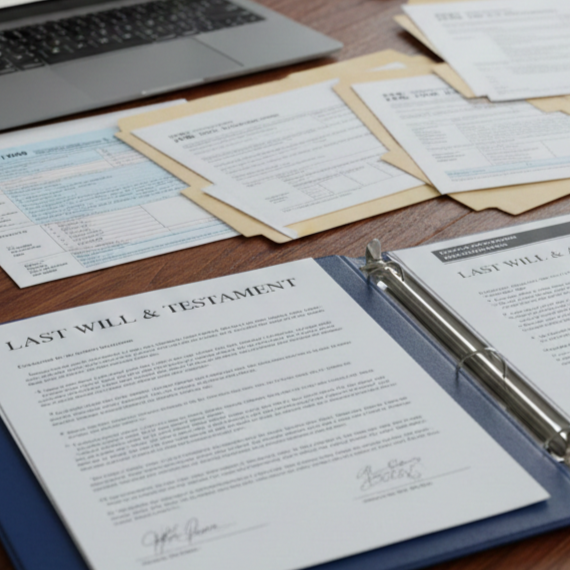
Disclaimer: This material is provided for general informational purposes only and is not intended as tax or legal advice. Tax rules are subject to change and vary based on individual circumstances. Please consult your qualified tax or legal professional before making decisions related to tax filings or planning strategies concerning a deceased member.
Key Takeaways
A final income tax return is often required for the year of death
The year of death is may be the last chance for a surviving spouse to file jointly
Certain tax planning decisions are time sensitive and cannot be revisited later
Estates and trusts may have separate filing obligations
Final Income Tax Return for the Deceased
If the deceased earned taxable income during the year they passed away, a final federal income tax return is generally required. This return reports income from January 1 through the date of death and follows the standard filing deadline, typically April 15 of the following year.
When the deceased was married, the surviving spouse generally has the option to file a final joint return for that year. This is typically the last year joint filing is available. After that point, the surviving spouse will usually file as single.
Why the Year of Death Is a Unique Planning Window
The year of death has tax characteristics that do not repeat.
Once a surviving spouse begins filing as single, income is compressed into narrower tax brackets, phase-outs occur more quickly, and effective tax rates often rise. Because of this shift, the year of death may be the last opportunity to intentionally recognize income at relatively lower marginal rates.
One common example is a Roth conversion, particularly when large traditional IRA balances exist. While increasing income in the year of death can raise taxes in the short term, it may reduce long-term tax exposure for the surviving spouse.
Helpful Insight 💡: It is also important to note that higher income in the year of death can affect future Medicare Part B and Part D premiums due to income-based surcharges. In many cases, surviving spouses can file Form SSA-44 to report the death as a life event and request an adjustment to those premiums.

Capital Loss Carryforwards End With the Deceased Spouse
Any unused capital loss carryforward belonging to a deceased spouse must be used on the final joint tax return for the year of death or it is permanently lost.
This creates a narrow planning window. The surviving spouse may consider realizing capital gains on assets they already owned that do not receive a step-up in basis. Those gains can be offset by the deceased spouse’s remaining losses, potentially preserving value that would otherwise disappear.
To be effective, the gains must be realized in the same calendar year as the death. Afterward, the investments may be repurchased to increase cost basis and reduce future capital gains exposure.
Required Minimum Distributions in the Year of Death
If the deceased was subject to RMDs, the distribution for the year of death must still be taken.
When the distribution was not taken prior to death, responsibility generally shifts to the beneficiary or the estate, depending on how the account is titled.
Missing the required distribution can result in penalties, making this an important item to confirm before year-end.
The 65-Day Rule for Estates and Trusts
In situations where an estate or non-grantor trust exists, the 65-Day Rule allows distributions made within the first 65 days of the following year to be treated as if they occurred in the prior tax year. This can affect whether income is taxed at the estate or trust level or passed through to beneficiaries.
This rule applies only in specific circumstances, but it highlights how timing decisions can influence tax outcomes even after the calendar year has closed.
Why Coordination Matters
Tax filings after a death rarely involve just one form or one deadline. Income taxes, estate considerations, distribution rules, and planning elections often overlap, particularly in the year of death.
Many of these decisions are time sensitive and cannot be undone once deadlines pass. Coordinating tax, estate, and financial planning early can help ensure required filings are handled correctly and that important opportunities are not missed.