Wholesale Inflation Impact on Investors
In this week’s Weekly Market Insights, markets declined amid renewed concerns about artificial intelligence disruption and a stronger-than-expected wholesale inflation report. While headlines often focus on consumer inflation, last week’s volatility was driven by wholesale inflation data.
Understanding how wholesale inflation works can help investors interpret market reactions and Federal Reserve policy decisions more clearly.
Disclaimer: Please consult with your tax professional or financial professional before making changes to your investments.
Key Takeaways
Wholesale inflation measures what businesses pay for goods and services
Rising input costs can pressure corporate profit margins
Inflation data influences Federal Reserve interest rate decisions
Growth-oriented sectors tend to react more sharply to inflation surprises
What Is Wholesale Inflation?
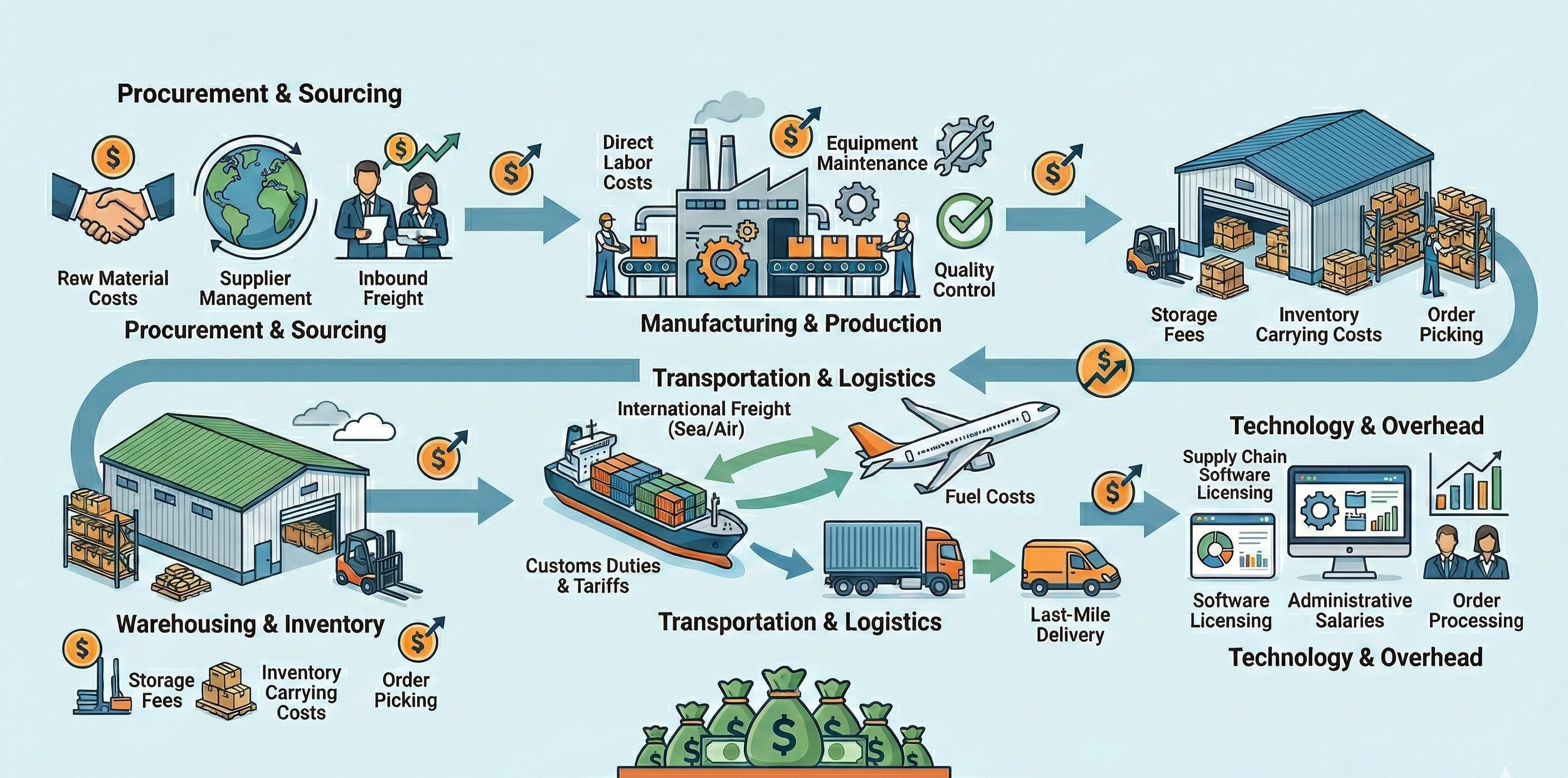
Wholesale inflation is measured by the Producer Price Index, or PPI. It tracks price changes that businesses experience before products reach consumers.
In simple terms:
CPI measures what consumers pay
PPI measures what businesses pay
Because companies operate between suppliers and end buyers, changes in wholesale prices can eventually affect consumer prices and corporate earnings.
Why Markets React to PPI
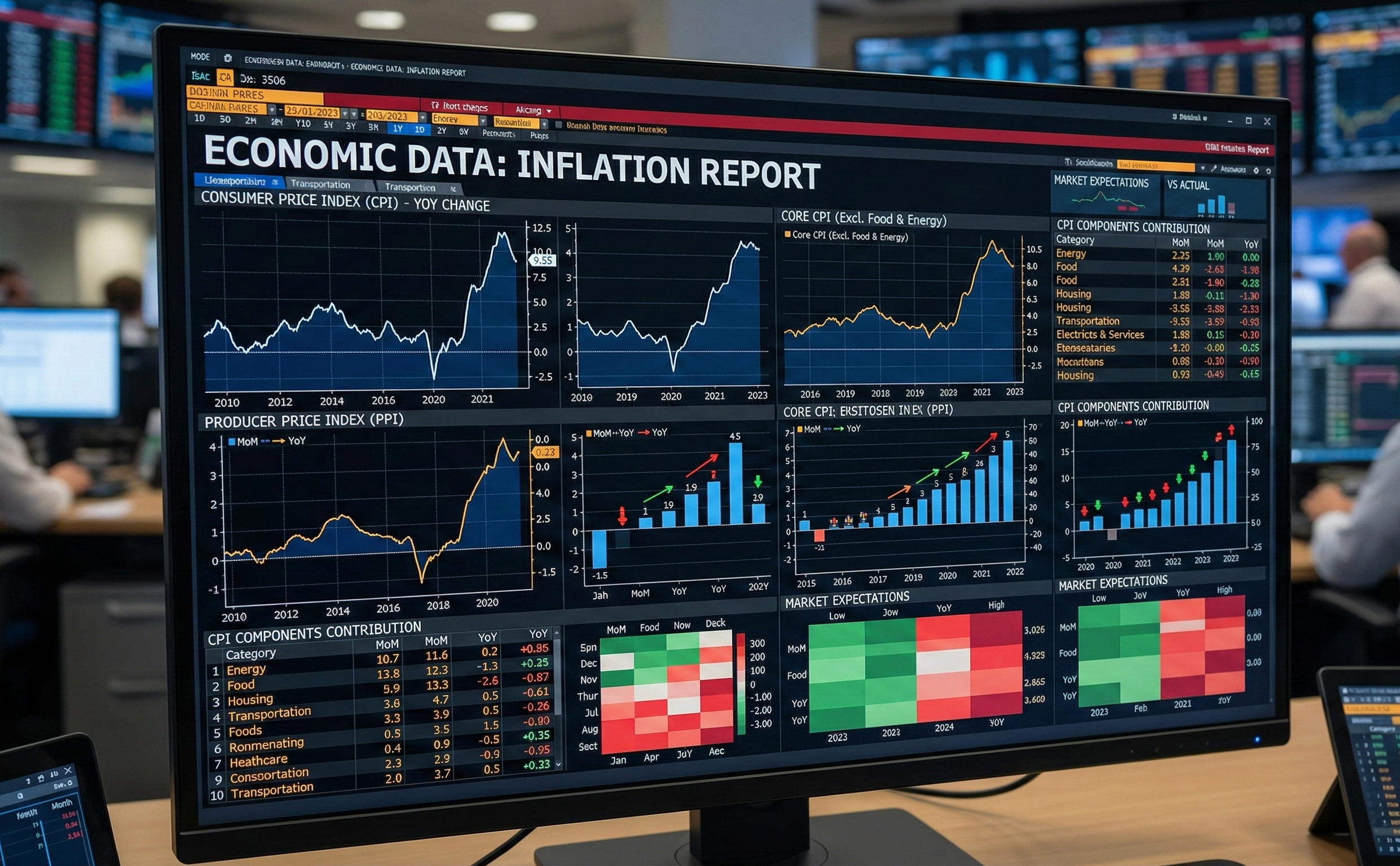
When PPI rises more than expected, markets often respond quickly.
There are two primary reasons:
Margin pressure
If businesses face higher costs, they must either absorb those costs or pass them along. Absorbing them can reduce profit margins. Passing them on can increase consumer inflation.
Rate expectations
Persistent inflation above the Federal Reserve’s 2 percent target can influence expectations about future interest rate decisions. Higher rate expectations typically affect valuation-sensitive sectors first. (Technology, Consumer Discretionary, and Communication).
Inflation and Market Leadership
Inflation surprises often impact market leadership.
Growth-oriented sectors, particularly technology, tend to be more sensitive to interest rate expectations because their valuations depend heavily on projected future earnings. When inflation runs hot, interest rate expectations may shift upward, affecting those sectors more noticeably.
Meanwhile, other areas of the market may respond differently depending on economic momentum and pricing power.
A Planning Perspective
Inflation is not only a market variable. It is a long-term planning variable.

Over time, inflation erodes purchasing power. A dollar today does not buy the same goods and services it did five or ten years ago. Even modest inflation, compounded over decades, can materially affect retirement income needs.
Many do-it-yourself retirement projections underestimate this impact. It is common to see projections built using flat spending assumptions or conservative inflation inputs that do not reflect real-world price increases. When inflation runs higher than expected, the gap widens.
The result can be subtle at first. Portfolio withdrawals may seem manageable early in retirement. Over time, however, rising costs combined with fixed income sources can strain cash flow. In more severe cases, failing to properly account for inflation risk can increase the likelihood of running short later in retirement.
This is why retirement planning should incorporate:
Realistic long-term inflation assumptions
Stress testing for higher-than-expected inflation environments
Income strategies that allow for adjustment over time